An estimate is a rough price for a job you can already see; a diagnostic is the paid work of finding a hidden problem you can't. Both matter, but they aren't the same thing — and understanding the difference helps you know exactly what you're paying for.
When it comes to plumbing services, many homeowners aren't familiar with the terms "estimate job" and "diagnostic job," yet these play a big role in the cost and process of getting repairs or installations done. One key thing to remember is that diagnostic jobs should be charged for, because they involve time, expertise, and specific tools that go beyond a simple estimate. Let's break down what each one is, why they differ, and why it's necessary for plumbers to charge for diagnostic work.
What Is an Estimate Job?
An estimate job is when a plumber assesses a problem and provides an approximate cost for the required services based on their experience and the scope of work involved. The estimate is often given upfront, before any actual work begins, and it's meant to give the homeowner an idea of what the total cost of the project might be. Estimates typically happen after the plumber has had a chance to observe the issue in person and assess the required work.
For example, if you call a plumber to fix a leaking pipe, they may look at the issue, review what parts are needed, and then offer an estimate for the repair. The price is usually based on the plumber's experience with similar jobs, the materials required, labor costs, and the estimated time for completion. Keep in mind that an estimate is an educated guess, not an exact figure, since issues can sometimes turn out to be more complicated than expected.
An estimate job is often free of charge, especially for smaller, straightforward jobs. However, for larger or more complex issues — such as repiping an entire house or installing a new heating system — a plumber may require a deposit or charge a fee for the estimate, given the time and effort involved.
What Is a Diagnostic Job?
A diagnostic job is when a plumber is called to identify the exact nature of an issue or malfunction. It goes beyond simply looking at the problem and offering a rough price. Diagnostic services require the plumber to thoroughly investigate the plumbing system to determine the root cause, which often involves specialized tools and a higher level of expertise.
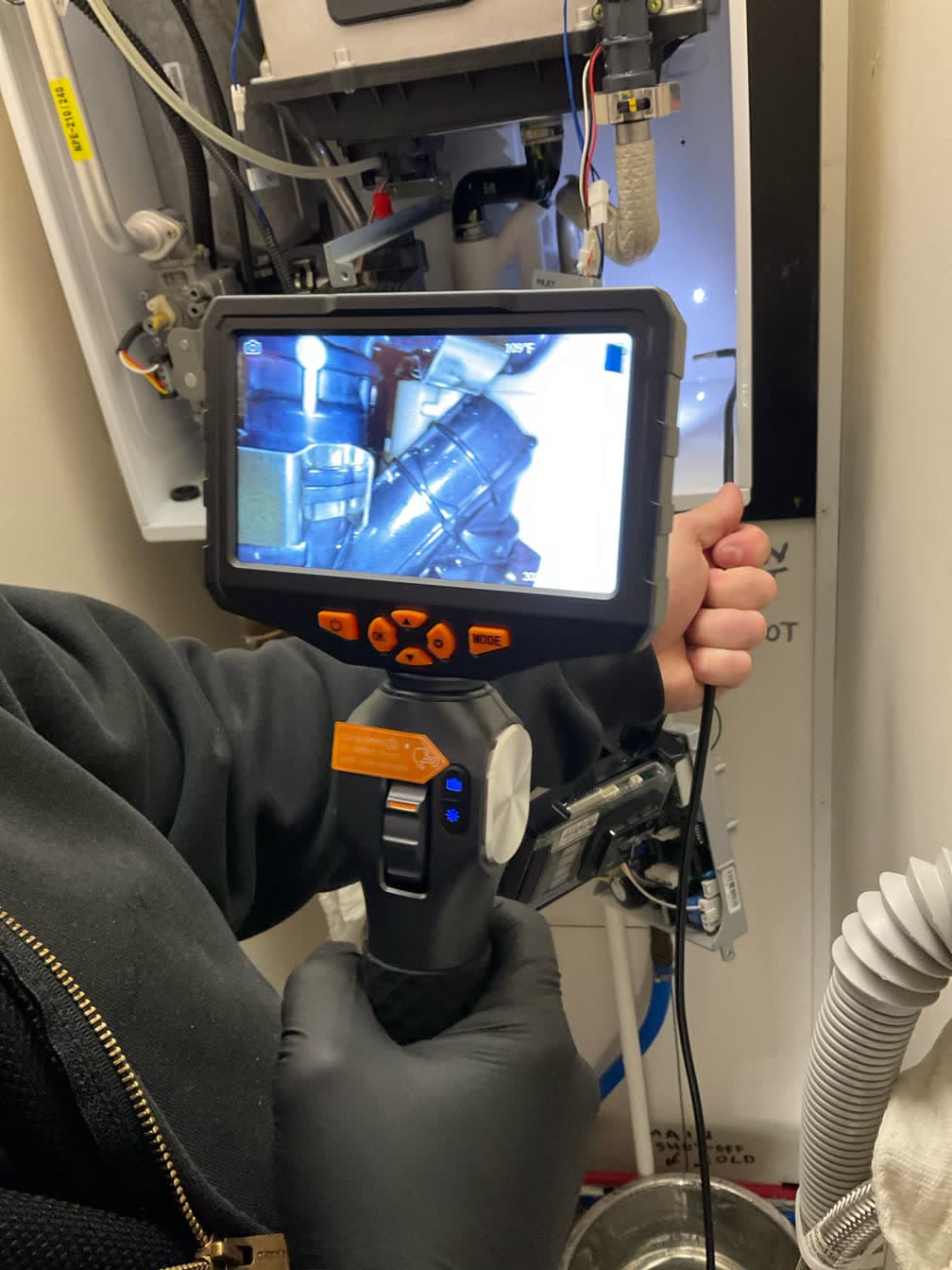
For example, if you experience recurring clogs or a sudden drop in water pressure, the problem could be something more complicated than a blocked pipe. The plumber will need to spend time diagnosing whether the issue stems from pipe corrosion, a hidden leak, tree root intrusion, or a problem with the water supply. The process often involves equipment like cameras for pipe inspection, pressure gauges, and even thermal imaging devices to detect leaks in walls or floors.
In some cases, diagnostic jobs can be time-consuming and may involve a lot of troubleshooting. While a plumber can make educated assumptions based on experience, they can't always pinpoint the exact problem without further inspection. The process might also involve testing the system and some trial-and-error to identify the precise cause.
Why Should Plumbers Charge for Diagnostic Jobs?
There are several reasons why plumbers should charge for diagnostic jobs, and it's important for homeowners to understand why.
1. Time and Expertise Involved
The time spent diagnosing a plumbing issue goes beyond the initial assessment. A diagnostic job requires plumbers to use specialized knowledge and skill to pinpoint the exact problem. They often need to perform detailed inspections, troubleshoot various components, and sometimes try different approaches to find the source. That level of expertise and effort takes time, which is valuable and should be compensated.
2. Specialized Tools and Equipment
Many diagnostic jobs require specialized tools and technology. Plumbing cameras, pressure testing equipment, and leak detection devices all come with their own costs. These tools are essential for accurately identifying hidden problems, but they aren't cheap. Plumbers need to account for the cost of maintaining and using them when charging for diagnostic work.
3. No Guarantee of Immediate Solutions
A diagnostic job doesn't always result in an immediate solution. Sometimes, after diagnosing the issue, a plumber may discover that further repairs are needed or that the job is more complicated than anticipated. The homeowner is paying for the plumber's time and expertise in identifying the problem, even if it takes longer or requires additional steps to resolve. Charging for this service ensures plumbers are fairly compensated regardless of how straightforward or complex the outcome is.
4. Value of Professional Insight
A good plumber doesn't just guess at problems or rush to a quick fix. They bring years of experience, knowledge of plumbing systems, and a trained eye to every job. Diagnostic jobs let plumbers apply that expertise and make sure repairs are done correctly. Since diagnosing plumbing problems often involves complex systems, this expertise is invaluable — and charging for it makes sure customers understand the value of professional insight.
5. It Helps Avoid "Guesswork"
Without a diagnostic service, a plumber may resort to guesswork, which could lead to unnecessary repairs or overlooked issues. A well-executed diagnostic job reduces the chance of misdiagnosing the problem, saving the customer money in the long run. Charging for the service ensures the plumber takes the necessary time to accurately assess the problem, preventing mistakes that lead to costly repairs down the road.
6. Sets Clear Expectations for Customers
Charging for diagnostic work also sets clear expectations. When you know a plumber will charge for their diagnostic services, you're better prepared to understand that the process takes time and effort. It also encourages more transparency between the homeowner and the plumber, since both parties understand what is being paid for. Clear communication about pricing builds trust and prevents misunderstandings.
The Bottom Line
Both estimate and diagnostic jobs play vital roles in plumbing services, but the key difference is that diagnostic work goes deeper into identifying the underlying cause. Plumbers should charge for diagnostic jobs because they involve specialized knowledge, expensive tools, time-consuming investigations, and the potential for unexpected discoveries. Charging for diagnostic work makes sure plumbers are fairly compensated for their expertise, tools, and time — while homeowners get a more accurate, longer-lasting solution.
Dealing with a stubborn leak or recurring clog in Spencer or Worcester County? Call (833) 969-4330 to book a straight-shooting plumbing repair visit.